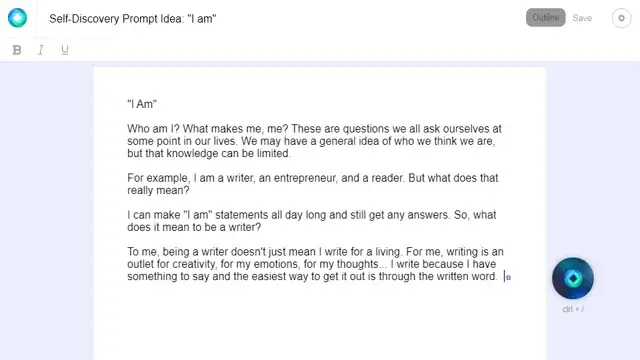
Prompt: What Is Prompt and How Can It Improve Your Writing Skills. If you’ve ever struggled with writer’s block or needed inspiration for a writing project, you may have heard of prompt writing. But what exactly is prompt writing, and how can it improve your writing skills. In short, prompt writing is a technique where you use a specific prompt (e.
g., a word, phrase, or idea) to inspire your writing. By using prompts, you can challenge yourself to think creatively and explore new writing styles and genres. If you’re looking to take your writing to the next level, using prompts can be a valuable tool.
Writing prompts can help you overcome writer’s block, find new angles to approach your writing, and develop your skills in areas like character development, world-building, and dialogue. So, whether you’re looking to start a new writing project or improve your skills, taking the time to explore prompt writing can be a valuable investment in your writing journey. By challenging yourself to write creatively and experimenting with new techniques, you may find that you not only improve your writing skills but also enjoy the process of writing more than ever before.
Understanding the importance of promptness
Being prompt is a virtue that extends beyond punctuality. It is a quality that requires self-discipline, responsibility, accountability, and respect for other people’s time. In both personal and professional settings, the habit of being prompt can have a significant impact on your relationships, reputation, and productivity. In this article, we will delve into the reasons why being prompt matters and how it can benefit you in various ways.
Why being prompt matters in your personal and professional life
One of the most evident reasons why being prompt matters is that it shows that you value other people’s time. Whether you are meeting friends for lunch, attending a job interview, or delivering a presentation, arriving on time or early sends a message that you are reliable, courteous, and organized. Conversely, being late conveys the opposite message – that you are unprepared, inconsiderate, and disrespectful. This first impression can have a lasting impact on how people perceive you and can affect your credibility and opportunities.
Furthermore, being prompt fosters trust, which is the foundation of any healthy relationship. If you repeatedly show up late or miss deadlines, the other person may start to doubt your commitment or abilities. On the other hand, if you consistently deliver what you promised on time, the other person is likely to trust you more and feel more comfortable communicating with you. This trust can strengthen your bond, reduce conflicts, and increase satisfaction in both personal and professional relationships.
The effect of being late on your relationships and reputation
If the benefits of being prompt are clear, so are the consequences of being late. Even if you have a valid excuse, such as traffic, an emergency, or a miscommunication, being late can still harm your relationships and reputation. For example, if you are late for a date, your partner may feel neglected, unimportant, or stood up. If you are late for a meeting with a client, you may lose their business or damage your brand’s image. If you are late for a flight, you may miss it altogether and incur additional costs.
Moreover, being late can create a chain reaction of negative effects. If you are late for an appointment, the other person may have to wait for you, reschedule, or cancel their plans. This can cause them inconvenience, frustration, or loss of time or money. In turn, this can affect their mood, productivity, or loyalty to you. Also, being late can cause you stress, anxiety, and guilt, which can further hamper your performance and relationships.
The benefits of being prompt: time management and productivity
Aside from the social and emotional benefits, being prompt can also enhance your time management and productivity. When you arrive on time or early, you not only respect other people’s time but also better manage your own time. You have more buffer time to prepare, double-check, or relax before the event. You avoid rushing, which can lead to mistakes, forgetfulness, or accidents. You also signal to yourself that you have control over your schedule and priorities, which can boost your confidence and motivation.
Furthermore, being prompt can facilitate better communication and collaboration. When you show up on time for a meeting, for instance, you can participate fully in the discussion, ask questions, and contribute ideas. You can listen attentively to others and provide feedback or support. You can also build rapport with your colleagues or clients and establish a sense of team spirit and shared goals. All these factors can improve your work performance, increase your creativity, and foster your personal growth.
In summary, being prompt is not just a matter of showing up early or on time. It is a habit that demonstrates your respect, responsibility, and reliability to others and yourself. By being prompt, you can enhance your relationships, reputation, and productivity in your personal and professional life. Conversely, being late can undermine your goals, affect your mood, and harm your reputation. Therefore, make a conscious effort to be prompt in all your activities and enjoy the benefits that come with it.
Tips for cultivating promptness
Setting realistic deadlines and goals
Being prompt is all about meeting deadlines in a timely manner. One way to achieve this is by setting realistic deadlines and goals for yourself. When setting goals, it’s important to break them down into manageable chunks that can be completed within a specific timeframe. By doing this, you set yourself up for success instead of unrealistic expectations that can lead to procrastination and missed deadlines.Prioritizing your day and focusing on the most important tasks
Another way to cultivate promptness in your daily routine is by prioritizing your day. Make a list of the most important tasks that need to be completed and focus on those first. This helps ensure that the most pressing tasks are completed in a timely manner, and also eliminates the stress and anxiety that comes with feeling overwhelmed by a long to-do list. Additionally, it’s important to differentiate between urgent tasks and important tasks. Urgent tasks may require immediate attention, but they might not be the most important things you should be doing. Prioritizing important tasks can help you achieve your goals and accomplish more in the long run.Creating a routine and sticking to it
Creating a routine is a key element of being prompt. By establishing a consistent routine, you reduce the likelihood of procrastination and create a sense of order and structure to your day. This can involve setting designated times for specific tasks, such as checking and responding to emails, working on projects, and taking breaks. It’s also important to establish a routine for your morning and evening routines. Starting your day off on the right foot can help you feel motivated and focused throughout the day. Likewise, ending your day with a consistent routine can help you wind down and prepare for a restful night’s sleep.Eliminating distractions and avoiding procrastination
Distractions can be a major roadblock to promptness. Whether it’s social media, emails, or other interruptions, distractions can delay tasks and derail your productivity. To cultivate promptness, it’s important to eliminate or minimize potential distractions by turning off notifications, closing unnecessary tabs on your computer, and finding a quiet workspace. Procrastination is another common obstacle to promptness. To avoid procrastination, establish a system that helps you break down tasks into manageable chunks and stick to your deadlines. Additionally, try to identify the root causes of your procrastination, such as fear of failure or feeling overwhelmed, and work to overcome these obstacles. Cultivating promptness can have a profound impact on your personal and professional life. By setting realistic deadlines and goals, prioritizing your day, creating a routine, and eliminating distractions, you can become a more productive, efficient, and successful person.Tools and strategies for staying prompt
Promptness is a vital skill in our busy lives, whether it’s meeting deadlines at work, showing up on time for appointments, or completing household chores on schedule. Being prompt not only makes us more productive but also helps us establish trust with others, set a positive example, and reduce stress. Fortunately, there are many tools and strategies we can use to cultivate promptness. In this article, we’ll explore some of the most effective ones.Using a planner or calendar to keep track of tasks and appointments
One of the simplest and most effective tools for staying prompt is a planner or calendar. Whether you prefer a paper planner or a digital one, having a visual overview of your tasks and appointments can help you stay on track. Here are some tips for using a planner or calendar effectively: – write down all your commitments, deadlines, and appointments, including the time and location. – break down complex tasks into smaller sub-tasks and assign deadlines for each one. – use different colors or symbols to code your tasks according to priority or category. – review your planner or calendar regularly, ideally at the beginning and end of each day, to stay up-to-date and adjust your plans as needed.Setting reminders and alarms to stay on schedule
Another way to stay prompt is to use reminders and alarms. While many digital tools already have built-in reminder features, you can also use a dedicated app or device for this purpose. Here are some examples: – use your smartphone’s alarm or timer to remind you of upcoming events, deadlines, or tasks. You can also set recurring alarms for daily or weekly routines. – install a task reminder app, such as todoist or trello, that allows you to schedule and prioritize your tasks and sends you alerts when they’re due. – wear a smartwatch or fitness tracker that not only tracks your physical activity but also sends you notifications for incoming calls, messages, or appointments.Using time management apps or techniques
Beyond simple reminders and alarms, there are many time management apps and techniques that can optimize your efficiency and productivity. Here are some worth trying: – pomodoro technique: this technique involves working in 25-minute blocks, followed by a five-minute break, and repeating the cycle four times before taking a longer break. It helps you focus on one task at a time and avoid burnout. – rescuetime: this app tracks your computer or smartphone usage and provides you with insights on how to manage your time and avoid distractions. – forest: this app gamifies productivity by encouraging you to plant a virtual tree and avoid using your phone for a set period. If you succeed, you grow a real tree in a partnership with trees for the future.Accountability partners and support systems for promptness
Finally, one of the most powerful strategies for staying prompt is to have accountability partners and support systems. These can take many forms, from formal coaching to informal check-ins with friends or colleagues. Here are some ideas: – hire a productivity coach who can help you identify your goals, strengths, and obstacles, and provide you with tailored tips and tools. – join a time management or productivity group, such as a meetup or a facebook group, where you can interact with like-minded people, share advice, and get feedback. – partner up with a friend, coworker, or family member who has similar goals and holds each other accountable for staying prompt. You can set weekly or monthly goals, report progress, and celebrate successes together. Being prompt is not a talent but a habit that anyone can develop with the right tools and strategies. Whether you choose to use a planner, set reminders, try different time management techniques, or seek support from others, the key is to stay consistent and motivated. With practice, you can become a more reliable, efficient, and successful person in all areas of your life.Embracing the habit of promptness for a more fulfilling life
The habit of promptness is one that can have a significant impact on our lives. It is the act of showing up on time, meeting deadlines, and generally being reliable. Being prompt can help us to build trust with others and establish a reputation for being dependable. In this article, we have explored the importance of being prompt and how it can positively affect our lives. One of the ways in which being prompt can be beneficial is by helping us to manage our time better. When we are prompt, we are able to complete tasks and meet appointments more efficiently, which can help us to be more productive. This means that we have more time to do the things we enjoy, and we can avoid the stress that comes with always being behind schedule. Another benefit of being prompt is that it can improve our relationships with others. When we are reliable and dependable, people are more likely to trust us and want to work with us. This can lead to opportunities for networking, career advancement, and personal growth. It can also help us to create more meaningful connections with others, which can lead to a more fulfilling life. To be prompt, it is important to have a sense of accountability, discipline, and self-awareness. We need to understand the importance of meeting our commitments to others and ourselves, and we need to have the discipline to follow through on those commitments. We also need to be self-aware enough to know our limitations and to plan accordingly. By embracing the habit of promptness, we can create a more fulfilling life for ourselves. We can manage our time better, improve our relationships with others, and establish a reputation for reliability and dependability. It takes practice and commitment, but it is well worth the effort. the role of accountability, discipline, and self-awareness in being prompt Accountability, discipline, and self-awareness are essential components of being prompt. Without them, it can be challenging to meet our commitments and establish a reputation for reliability. Let’s take a closer look at each of these elements and how they relate to being prompt. accountability Accountability is the act of being responsible for our actions and decisions. When we are accountable, we acknowledge the impact of our decisions on ourselves and others, and we take ownership of the consequences. This means that we are more likely to follow through on our commitments, because we understand the importance of meeting them. In the context of being prompt, accountability means that we recognize the importance of showing up on time and meeting deadlines. We understand that our actions can affect others, and we take responsibility for following through on our commitments. discipline Discipline is the ability to follow through on our commitments, even when we don’t feel like it. It requires us to have a strong sense of willpower and self-control, and to be able to resist the urge to procrastinate or give up. When we have discipline, we are more likely to be prompt, because we are able to prioritize our time effectively and meet our commitments. In the context of being prompt, discipline means that we are willing to put in the effort required to meet our commitments. We are able to resist the urge to procrastinate or give up, and we are willing to prioritize our time effectively to ensure that we are able to meet our commitments. self-awareness Self-awareness is the ability to understand our own thoughts, feelings, and actions. When we are self-aware, we are able to recognize our own strengths and weaknesses, and we are able to plan accordingly. This means that we are better able to manage our time effectively and meet our commitments. In the context of being prompt, self-awareness means that we understand our own limitations and are able to plan effectively to meet our commitments. We are able to recognize when we need to ask for help or delegate tasks, and we are able to prioritize our time effectively to ensure that we are able to meet our commitments. The habit of promptness is one that can have a significant impact on our lives. By being prompt, we can manage our time better, improve our relationships with others, and establish a reputation for reliability and dependability. To be prompt, we need to have a sense of accountability, discipline, and self-awareness. These elements are essential to establishing a reputation for reliability and becoming a person that others can trust and depend on.FAQs
Keyword: Prompt
What is a prompt in programming?
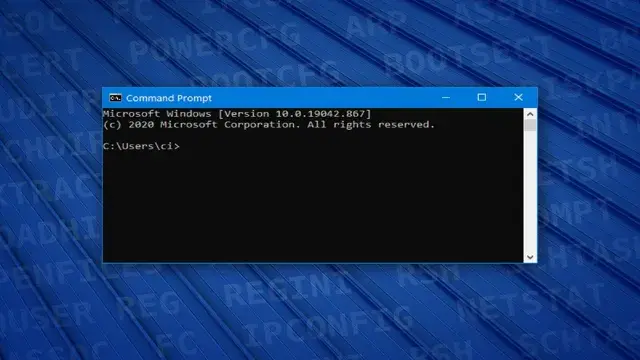
A prompt is a text or message that appears on the screen asking the user to provide input or perform a certain action.
How do you create a prompt in JavaScript?
To create a prompt in JavaScript, you can use the built-in prompt() function, which displays a dialog box with a message and an input field where the user can enter their input.
What is the difference between a prompt and an alert in JavaScript?
A prompt allows the user to enter input, while an alert displays a message without any input options. Both are JavaScript functions that display dialog boxes on the screen.
What are some common use cases for prompts in web development?
Prompts can be used to gather user input for forms, quizzes, surveys, and other interactive elements on a website. They can also be used to confirm or cancel actions, such as deleting an item or submitting a form.
How can you customize the appearance of a prompt in CSS?
You cannot apply CSS styles directly to a prompt dialog box, but you can change the appearance of the HTML elements that trigger the prompt function, such as buttons or links. You can also use JavaScript to modify the behavior and appearance of the prompt dialog box.
What are some best practices for using prompts in user interfaces?
It is important to provide clear and concise instructions in your prompt message, and to validate and handle user input to prevent errors or unexpected behavior. You should also design your prompts to be accessible and mobile-friendly, and to avoid using them excessively or inappropriately.